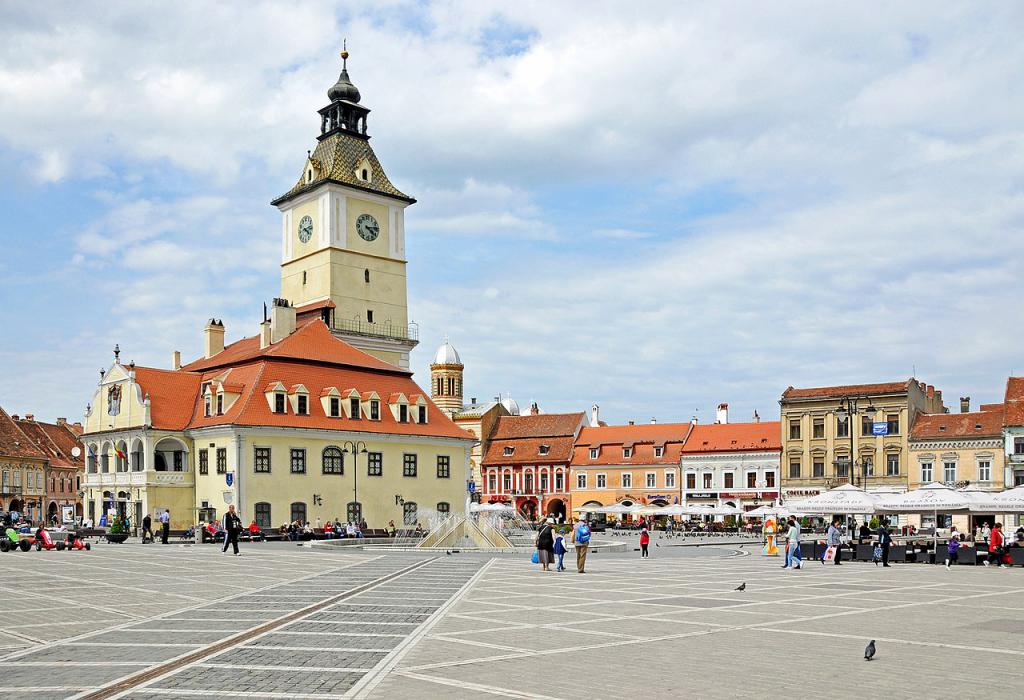
Council Square
The central hub of the city, surrounded by preserved merchant houses and anchored by the Council House.
Visit early to photograph the square before local vendors set up.

Brasov sits at the base of the Carpathian Mountains, ringed by fortified walls built by Saxon settlers in the thirteenth century. This guide answers whether the city deserves a place on your Transylvania itinerary, based on what it offers visitors today and what it asks in return.
Quick answer
Yes, Brasov is worth visiting for anyone traveling through Transylvania. The city offers free access to a compact medieval center framed by Gothic spires and mountain ridges, with arrival recommended between 08:00 and 10:00 to avoid mid-day crowds. Two to three days allow time for the fortified churches, Saxon architecture, and trails on Mount Tâmpa without rushing.
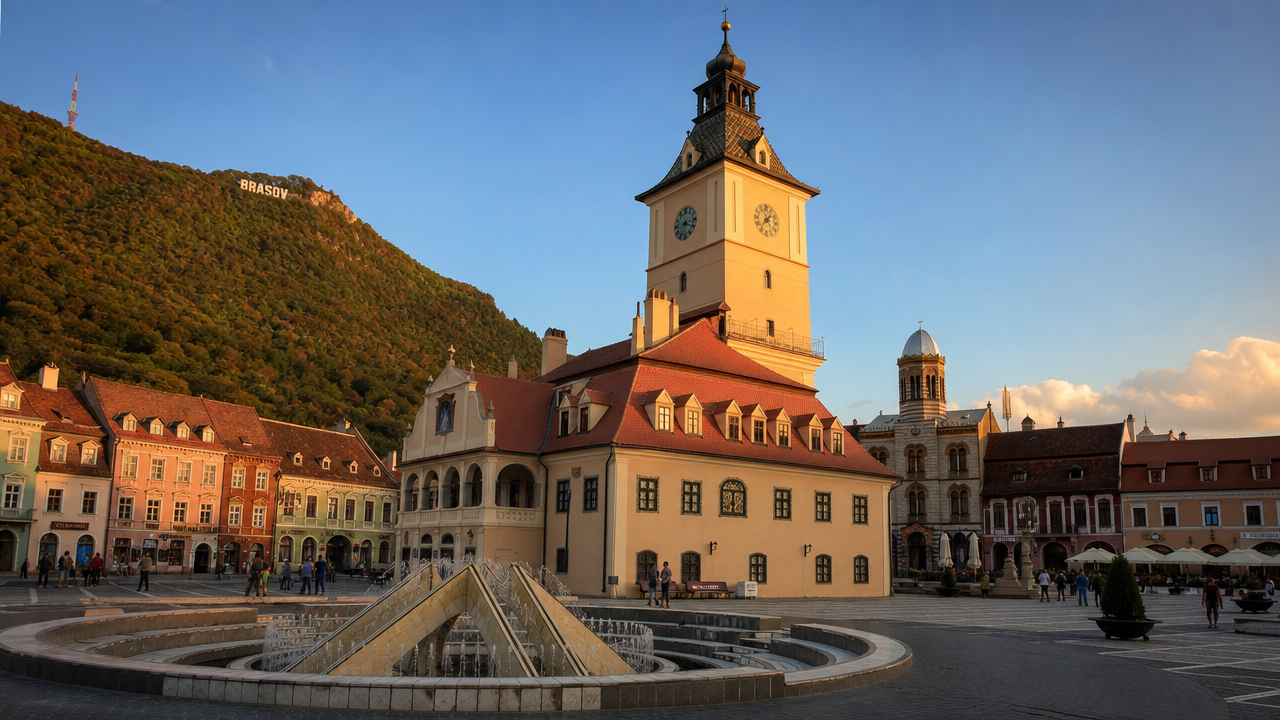
Brasov holds the only intact medieval wall circuit in Transylvania that visitors can walk along rather than simply photograph from below. The fortifications were raised by Saxon guilds between the thirteenth and fifteenth centuries, and seven of the original towers still stand at full height. The Black Church, completed in 1477, remains the largest Gothic structure between Vienna and Istanbul, its name derived from smoke damage sustained during the Great Fire of 1689. The Council Square forms the geographic and social center of the old town, surrounded by merchants' houses painted in ochre, rust, and pale green. Strada Sforii, one of Europe's narrowest streets at 1.3 meters wide, connects the square to the Schei Gate, the historic entry point for Romanian traders who were not permitted to own property inside the Saxon walls until the nineteenth century. The contrast between the German Gothic core and the Romanian Orthodox quarter beyond the gate tells the story of Brasov's divided past more clearly than any museum label. Mount Tâmpa rises directly behind the city center, accessible by cable car or a marked trail that climbs 400 meters in roughly ninety minutes. The ridge offers unobstructed views across the old town's terracotta rooftops toward the Postăvaru Massif. On clear mornings the limestone cliffs of Piatra Craiului National Park are visible to the south. The trail sees heaviest use between late morning and mid-afternoon; walkers who start before 09:00 encounter far fewer groups and cooler temperatures on the ascent. Visiting Brasov means engaging with a city that never flattened its past to streamline tourism. The tram lines still run through residential blocks where laundry hangs between Soviet-era apartment towers. Markets selling smoked cheese and wool socks operate alongside third-wave coffee roasters. The city does not perform its history—it inhabits it. Whether Brasov merits a stop depends less on checking monuments off a list and more on whether you want to walk streets where medieval commerce, Habsburg bureaucracy, and post-socialist reinvention occupy the same stone-paved square without pretense or apology.
“Brasov holds the only intact medieval wall circuit in Transylvania that visitors can walk along rather than simply photograph from below.”
The best arrival window is 08:00–10:00 to avoid mid-day crowds in the historic center and enjoy cooler temperatures. Visiting during the shoulder seasons of spring and autumn provides a balance of moderate weather and manageable foot traffic.
—
Arrive between 08:00–10:00 to experience the historic center before daily peak density.
Mild with 15°C to 22°C
Vegetation is lush and temperatures are suitable for walking tours.
Cool with 10°C to 18°C
Autumn colors appear in the surrounding Transylvanian landscape as tourist numbers decline.
Warm with 20°C to 28°C
Expect peak crowds and warmer weather during the height of the summer holiday season.
Verdict: For the optimal experience, visit on weekday mornings between 08:00–10:00 during the months of May or October.
The historic core of Brașov offers a dense collection of landmarks that reflect its medieval Transylvanian origins. These sites provide context for the city’s development and remain the primary draw for visitors exploring the region.
The central hub of the city, surrounded by preserved merchant houses and anchored by the Council House.
Visit early to photograph the square before local vendors set up.
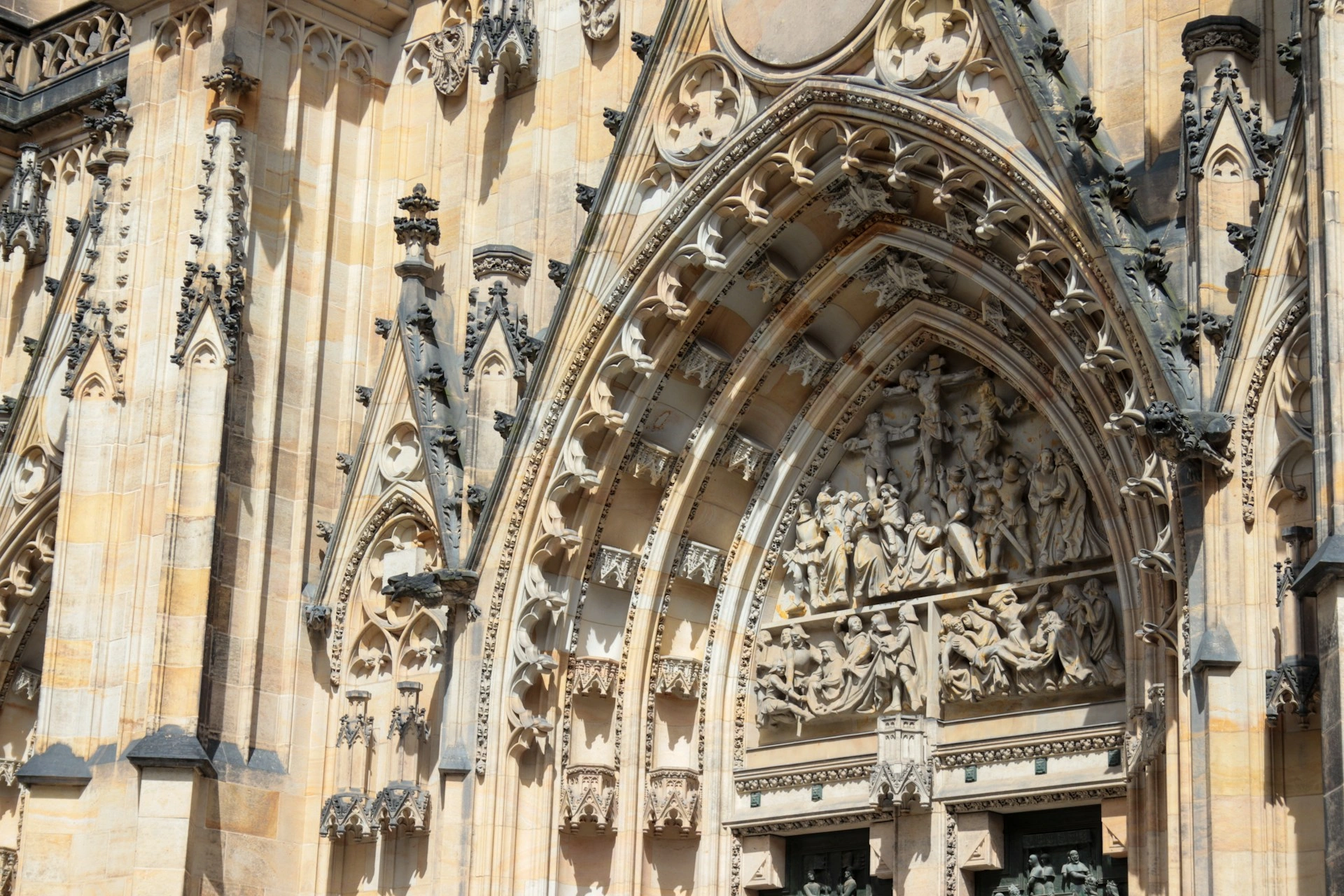
A significant Gothic monument known for its collection of Anatolian carpets and massive pipe organ.
Observe the exterior buttresses from the south side for full scale.
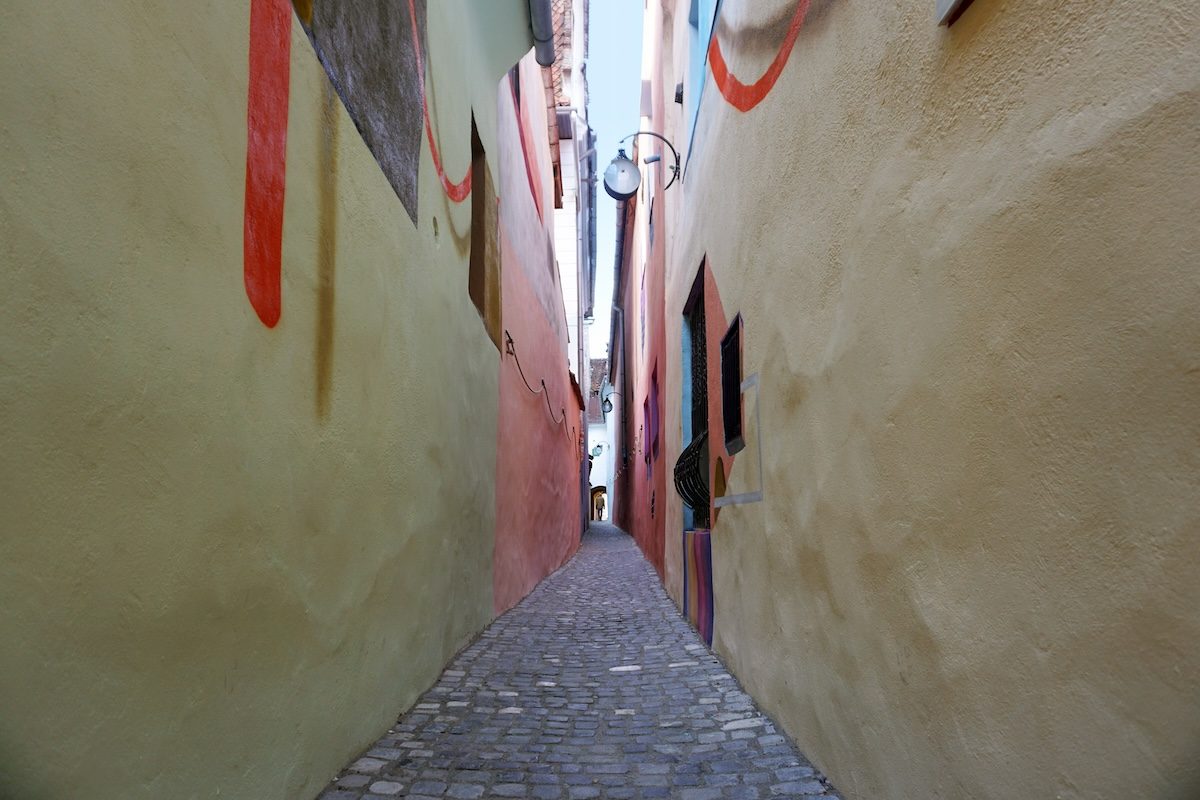
One of the narrowest streets in Europe, measuring roughly 1.1 to 1.35 meters in width.
Walk through during the morning to avoid congestion in the passage.
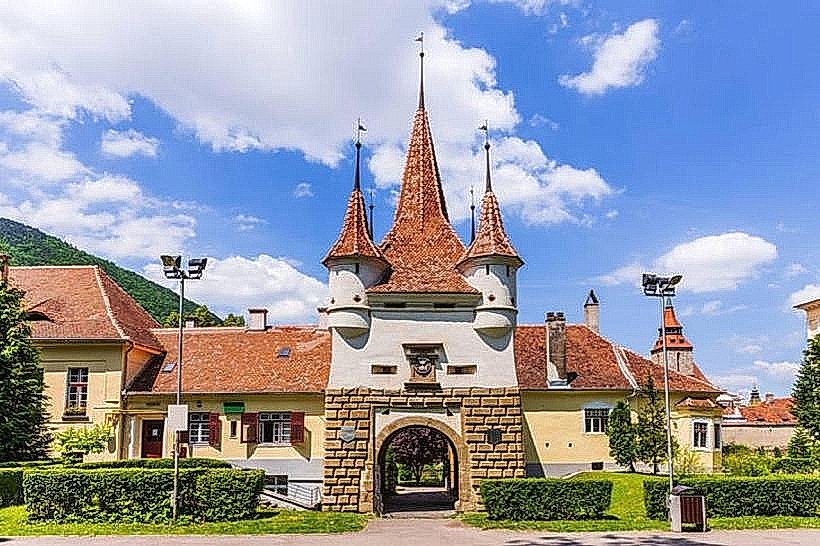
The last remaining medieval gate tower that once served as the primary entrance to the city.
View the gate from the outside to appreciate its original fairy-tale aesthetic.
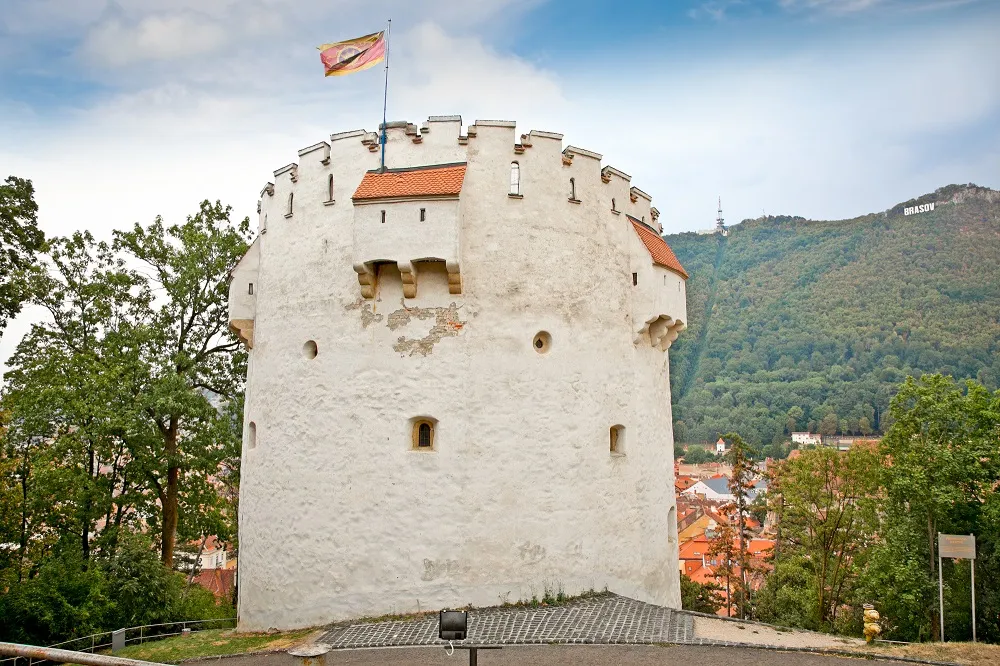
A defensive bastion perched on the hill offering views over the historic district rooftops.
Walk the path up from the city walls for the best perspective.
Brașov is located in the southeastern part of Transylvania and is primarily accessed by rail or road. The city serves as a central hub in the Romanian railway network.
CFR Călători line from București Nord to Brașov station
Direct bus from Henri Coandă International Airport to Brașov
DN1/E60 from București to Brașov
Local taxi or ride-sharing service from Brașov station to the historic center
Plan your arrival for the 08:00–10:00 window to navigate the historic center when pedestrian traffic is lower and temperatures are favorable for walking.
Exploring the historic center of Brașov is free, as there is no admission fee to enter the city itself. Individual museums, churches, and specific historical sites maintain their own independent entry requirements and pricing structures.
Verdict: A typical adult pays 0 RON for city access, with total costs depending solely on which specific museums or guided experiences are chosen.
Brasov serves as a primary hub for exploring the historic castles of Transylvania. Its central location allows for efficient day trips to major regional landmarks.
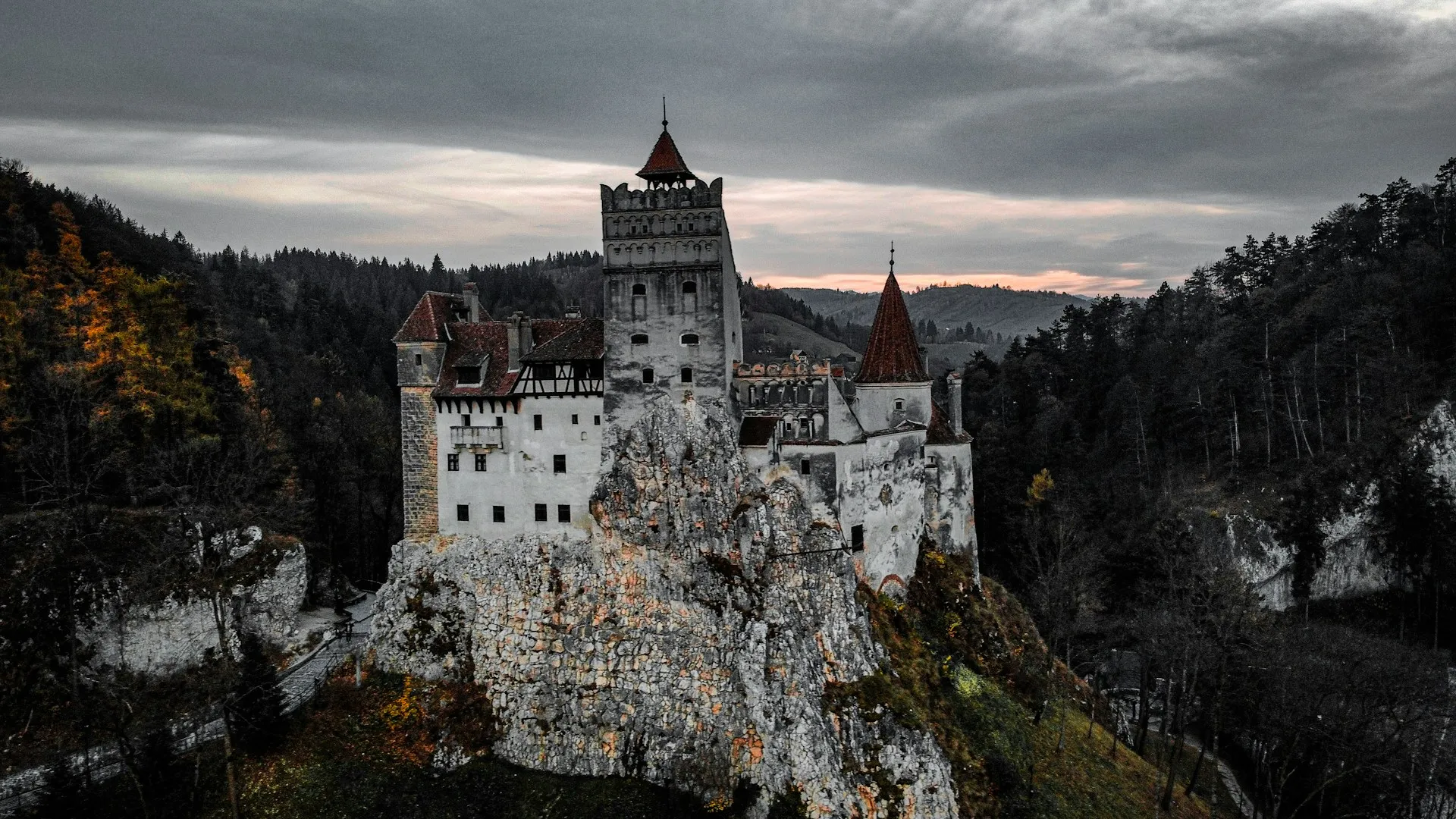
30 km
Often associated with the Dracula legend, this fortress is a short drive from the city center and complements the medieval history found in Brasov.
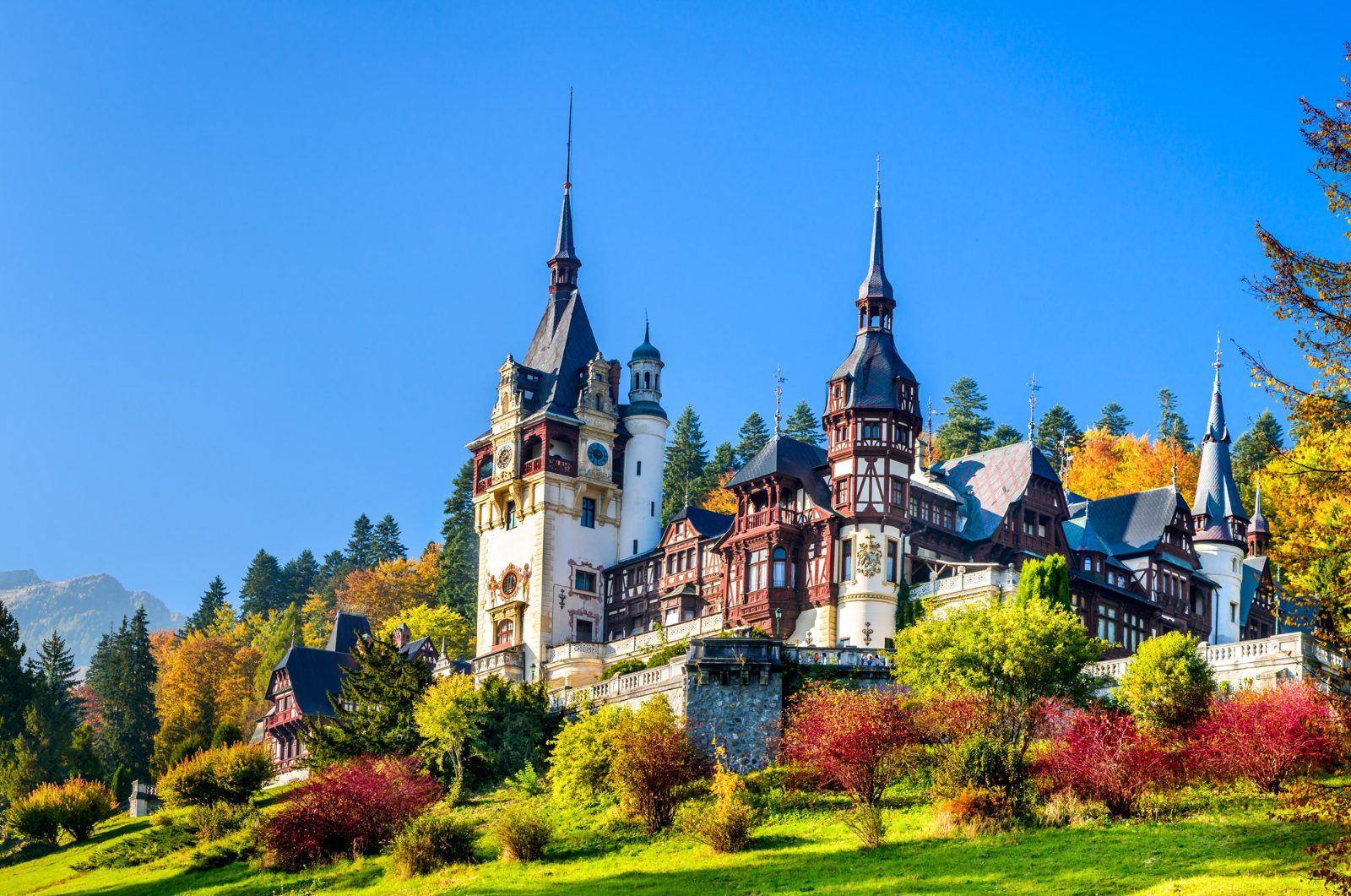
48 km
Located in Sinaia, this former royal residence features elaborate German Neo-Renaissance architecture and provides a contrast to the defensive fortifications of Brasov.
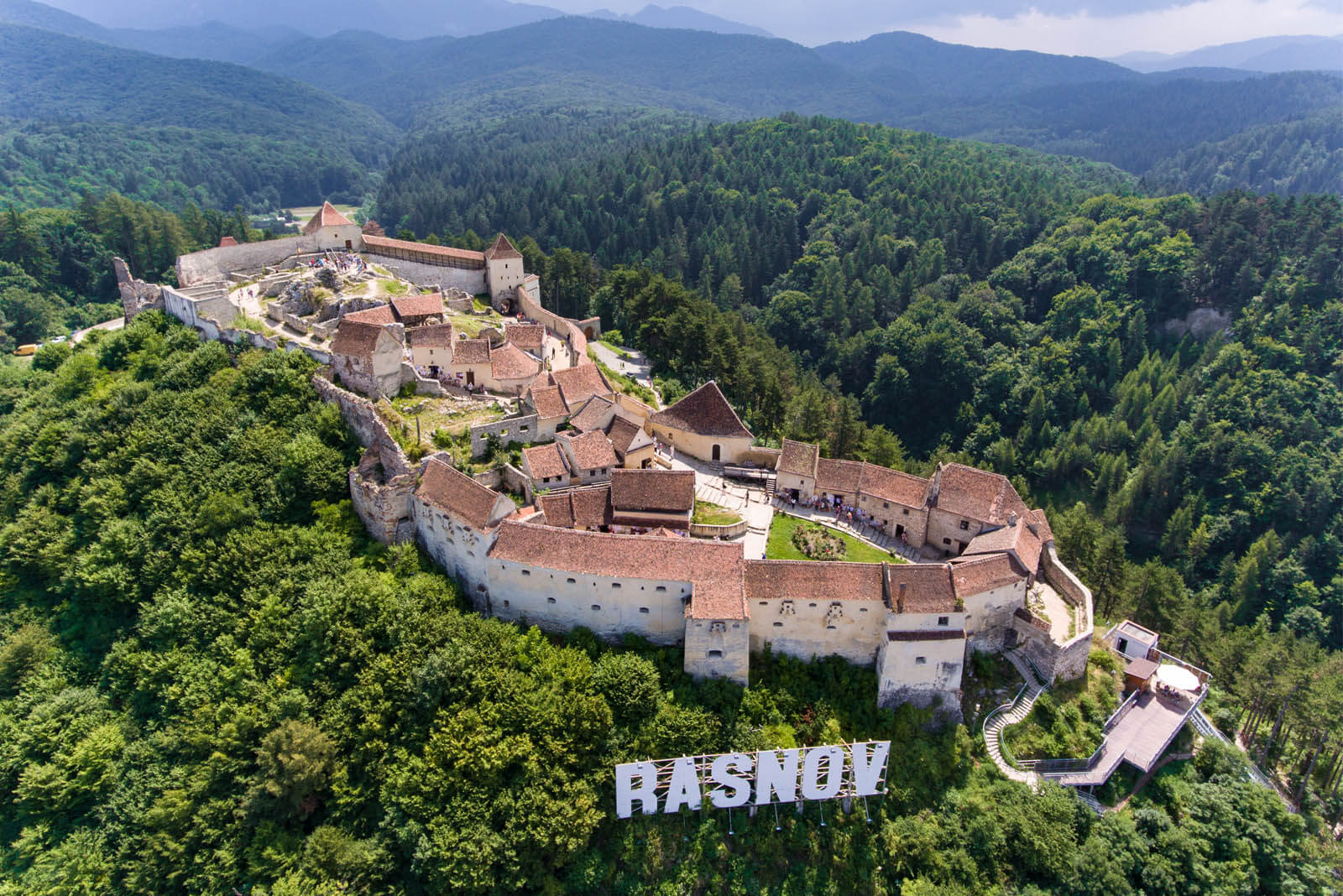
15 km
This hilltop peasant fortress offers views of the surrounding mountains and is situated directly on the route between Brasov and Bran Castle.
Everything you need to know about is brasov worth visiting
Travelers often find that is Brașov worth visiting because it offers a perfect blend of medieval history and mountain scenery. The city serves as a gateway to the Carpathian Mountains and provides a deep dive into Saxon heritage.
Taking a guided Brașov city tour allows you to discover hidden alleys and local history that you might miss on your own. Professional guides provide context on the Council Square and the surrounding fortifications.
To ensure a smooth experience, the best arrival window is 08:00–10:00. Arriving early helps you avoid mid-day crowds in the historic center and allows you to enjoy cooler temperatures while walking.
Many visitors conclude that is Brașov worth visiting even on a short trip due to its central location and connectivity. It acts as an efficient hub for exploring the broader Transylvania region.
The historic center features significant medieval architecture including the Black Church, the defensive walls, and the narrowest street in Europe. These landmarks reflect the long and complex history of the Saxon population in the area.
Yes, is Brașov worth visiting with family members of all ages because the pedestrian-friendly streets are safe and easy to navigate. The city provides a relaxed atmosphere with plenty of open spaces for children to explore.
The entrance fee for the city is 0 RON. While the city itself is free to explore, keep in mind that individual museums or specific local attractions may charge their own fees.
The city is an ideal starting point for a castle tour since it is situated near iconic sites like Bran Castle and Peleș Castle. Planning your regional trips from here allows for better logistics and shorter travel times.
Bran Castle Tour from Brasov
Read more GuideCastles Near Brasov: A Guide
Read more Tickets & toursDracula Castle Tour from Brasov
Read more Tickets & toursPeles Castle Tour from Brasov
Read more GuideCorvin Castle Tour from Brasov
Read more GuideBrasov to Bran Castle Day Trip
Read more